Posted in A Better You, Social Issues

How To Help the World When You Feel Helpless

If you’re anything me, you’re inundated with news on a daily, sometimes even hourly, basis. Lately, it seems like it’s one tragedy after another. From the various hurricanes that have hit around the world, to horrific acts of terrorism like the gun violence we heard about in Las Vegas on October 1.

It’s easy to fall into a pit of despair when surrounded by this news; to feel like you’re helpless, and that there’s no way you can possibly help those affected. The good news is: you CAN help! Whether you’ve got money or time to donate, phone calls to make, or can physically help in person… you CAN make a difference.

(Side note: during times of crisis, many people will offer ‘thoughts and prayers’ to those affected. While I can respect these gestures, and understand why people do this, in the end — thoughts and prayers aren’t going to help victims of a flood regain their livelihood or find a place to get food RIGHT NOW, or lead to stricter gun control in the United States or worldwide. So, yes, if you feel the need, offer your thoughts and prayers — but then get on your feet, on your computer, in your bank account, wherever, and offer something else.)

Continue reading “How To Help the World When You Feel Helpless”

Posted in A Better You

Ten (More) Ways to Step Out of Your Comfort Zone

“Great things never came from comfort zones.”

How often do you push yourself out of your comfort zone? It’s not easy, I know. After all, there’s a reason it’s called the *comfort* zone and not the *uncomfort* zone. (Okay, uncomfort is not a word. I know. Whatever.)

About four years ago, I did a post titled “10 Ways to Step Out of Your Comfort Zone.” Today, I want to share ten *more* ways you, the person reading this, can step out of your comfort zone.

It’s scary and challenging and thrilling, all at once. And maybe it won’t be worth it, or maybe it will. The only way you can know is to try…

Continue reading “Ten (More) Ways to Step Out of Your Comfort Zone”

Posted in A Better You, Food, Health & Fitness

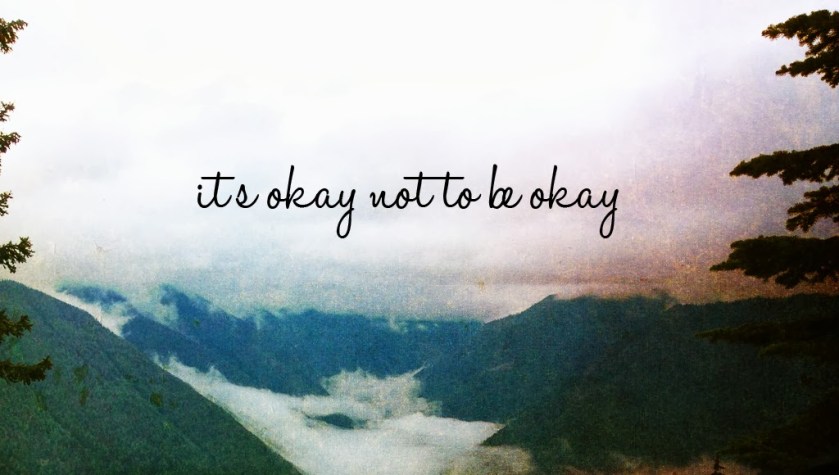
It’s Okay to Not Be Okay

If you’re looking for a sign, this is it. I’m telling you, right here, right now: it’s okay to not be okay. All too often nowadays, we feel this pressure to always be okay; to never feel down, never let ourselves feel ANYTHING; to always be cheerful and happy and upbeat. We feel pressure to always answer the question “How are you?” with “I’m fine/good/great/whatever” instead of the actual truth.

Starting today, allow yourself to truly feel whatever it is you’re feeling. It’s okay to be sad about losing a loved one, a friend moving away, a job change, finishing a good book, whatever. It’s okay to be hurt. It’s okay to be upset. It’s okay to be angry (as long as you aren’t physically hurting anyone.) It’s okay to be happy.

Continue reading “It’s Okay to Not Be Okay”

Posted in A Better You, Books, Reviews

What Can YOU Learn From Minimalism?

“The average American household contains more than 300,000 possessions.”

Read that sentence. Now read it again and really consider it. Astounding, isn’t it?

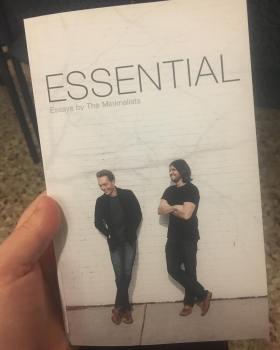
It’s just one of the tidbits I learned in “Essential,” a book of essays written by The Minimalists. I known I’ve written about these guys before, but wanted to touch base on their book of essays, published in 2015. I requested my library purchase a copy and finally got my hands on it!

At its core, minimalism is about making you think. Rather than mindlessly buying more “stuff,” think about WHY you’re doing it. Rather than stashing things in your closet to collect dust for months, think about WHY you’re doing it. In a world of often-mindless consumption and consumerism, it’s nice to take a step back and think about WHY we own the things we own, WHY we do the things we do, etc.

What value is this [object/person/job/relationship/experience/etc.] bringing to your life?

That’s the question we should all be asking ourselves, and it’s definitely one I need to ask more often. The Minimalists look at that question from a number of perspectives, and in respect to various subjects, in the course of their essays in this book.

Continue reading “What Can YOU Learn From Minimalism?”